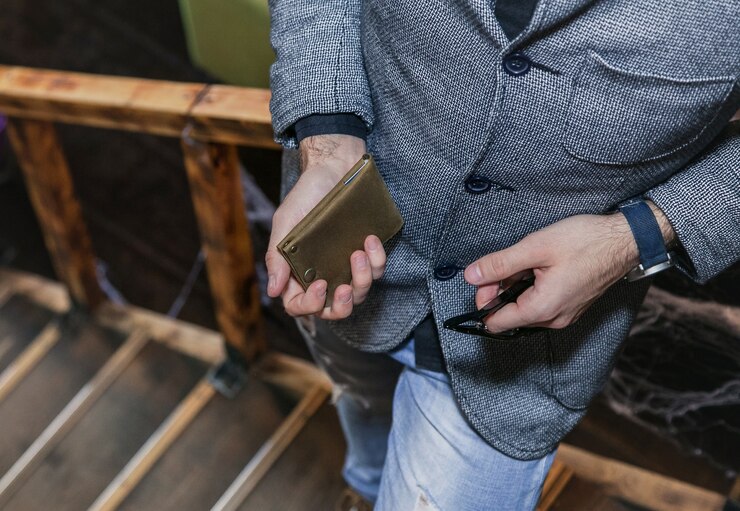
In a world where style meets functionality, a wallet is more than just a place to store cash and cards; it is an extension of a man’s personal style. The right wallet can enhance one’s outfit, make a statement, and even reflect one’s personality. However, with countless options available, choosing the perfect wallet can feel overwhelming. This guide aims to simplify the selection process by outlining the key factors to consider, different styles available, and tips for maintaining your wallet. By the end of this guide, you’ll be well-equipped to make an informed decision and find a wallet that suits your needs and lifestyle.
Understanding Your Needs
Before diving into the various wallet styles and materials, it’s crucial to understand your specific needs. Consider how you plan to use the wallet on a daily basis. Do you carry a lot of cash, or do you primarily use cards? Are you looking for something compact that fits in your pocket, or do you prefer a larger option that can hold more items? According to a study by the American Express, 70% of men prefer using cards over cash, showing a trend towards minimalist wallets. Hence, identifying your needs will help narrow down the choices significantly.
Types of Wallets
Wallets come in various styles, each serving different purposes and preferences. The most common types include bi-fold, tri-fold, cardholder, money clip, and travel wallets. A bi-fold wallet is a classic choice, offering a balance between size and capacity, allowing for easy access to cash and cards. On the other hand, tri-fold wallets tend to be bulkier but provide more organization options. For those who prefer to travel light, cardholders and money clips can be excellent choices, as they focus on minimalism while still holding essential cards. Travel wallets are designed for those who often find themselves on the go, offering ample space for passports, boarding passes, and travel-related items.
Materials Matter
The material of the wallet plays a significant role in its durability, appearance, and overall feel. Common materials include leather, synthetic fabrics, and canvas. Leather wallets are considered a classic and timeless option, often exuding sophistication and elegance. According to a survey by the Fashion Institute of Technology, 60% of men prefer leather wallets due to their durability and luxurious feel. On the other hand, synthetic fabrics and canvas wallets are lightweight, often more affordable, and available in various colors and designs. Understanding the pros and cons of each material will help you choose a wallet that meets your aesthetic and practical needs.
Size and Capacity
Size is another crucial factor when selecting a wallet. A wallet should fit comfortably in your pocket without creating bulk. When considering capacity, think about the number of cards and cash you typically carry. Wallets that are too large can be cumbersome, while those that are too small might not meet your needs. The average wallet size ranges from 4 to 4.5 inches in height and 3 to 3.5 inches in width. When shopping, it’s a good idea to test how the wallet fits in your pocket and how easily you can access your cards and cash.
Style and Aesthetic
Your wallet should align with your personal style and the image you wish to project. Wallets come in various designs, colors, and finishes, from sleek and modern to rugged and vintage. If you often dress formally, a classic leather wallet in a neutral color may be the best choice. For a more casual look, consider a wallet with unique patterns or textures. Additionally, some brands offer customizable options, allowing you to add your initials or choose specific colors that resonate with your personality. Remember, the wallet is a visible accessory, and it can say a lot about you.
Brand Reputation and Quality
Brand reputation often correlates with the quality of the product. Investing in a wallet from a reputable brand can ensure you receive a high-quality item that lasts. Brands such as Bellroy, TUMI, and Montblanc are known for their craftsmanship and durable products. Additionally, reading customer reviews and testimonials can provide insight into the wallet’s performance and durability. A well-made wallet can be a long-term investment, so it’s worth taking the time to research and choose a brand that aligns with your values and expectations.
Price Point
Wallets can range from very affordable to luxury prices, depending on the brand, material, and design. Setting a budget before shopping can help streamline the process and prevent overspending. While it’s tempting to go for the cheapest option, remember that a wallet is an accessory you use daily. Investing in a quality wallet may save you money in the long run as it will last longer and perform better. On average, a good quality wallet can cost anywhere from $30 to $200, depending on the style and material.
Care and Maintenance
Once you have chosen the perfect wallet, it’s essential to take care of it to ensure its longevity. For leather wallets, regular conditioning can prevent cracking and maintain the material’s appearance. Use a soft cloth to wipe off dirt and stains, and consider using a leather cleaner periodically. For synthetic or canvas wallets, a simple wash with mild soap and water may suffice. Additionally, avoid overstuffing your wallet, as this can lead to wear and tear over time. By maintaining your wallet, you can keep it looking great for years to come.
Conclusion
Choosing the perfect wallet for men involves understanding your needs, considering the various types and materials available, and keeping style and budget in mind. Whether you prefer a classic leather bi-fold or a minimalist cardholder, the right wallet can enhance your personal style and serve as a practical accessory. By following the guidelines outlined in this guide, you will be well-equipped to select a wallet that not only meets your functional needs but also reflects your unique personality. Remember, a wallet is not just a utility item—it’s a statement piece that accompanies you through life.